Past Projects

Climbing Toward Hope: Table Mountain as a Site of Healing, Identity Renewal, and Future

Introduction

Despite being one of South Africa’s most visited sites, Table Mountain National Park remains largely inaccessible to Black township residents in Cape Town. Historical exclusion rooted in colonialism and apartheid has created a legacy of alienation, limiting meaningful engagement with nature and perpetuating a disconnect from ecological and spiritual spaces. This exclusion has contributed to wounded identities, fractured spirits, and environments that shape limitation rather than possibility.

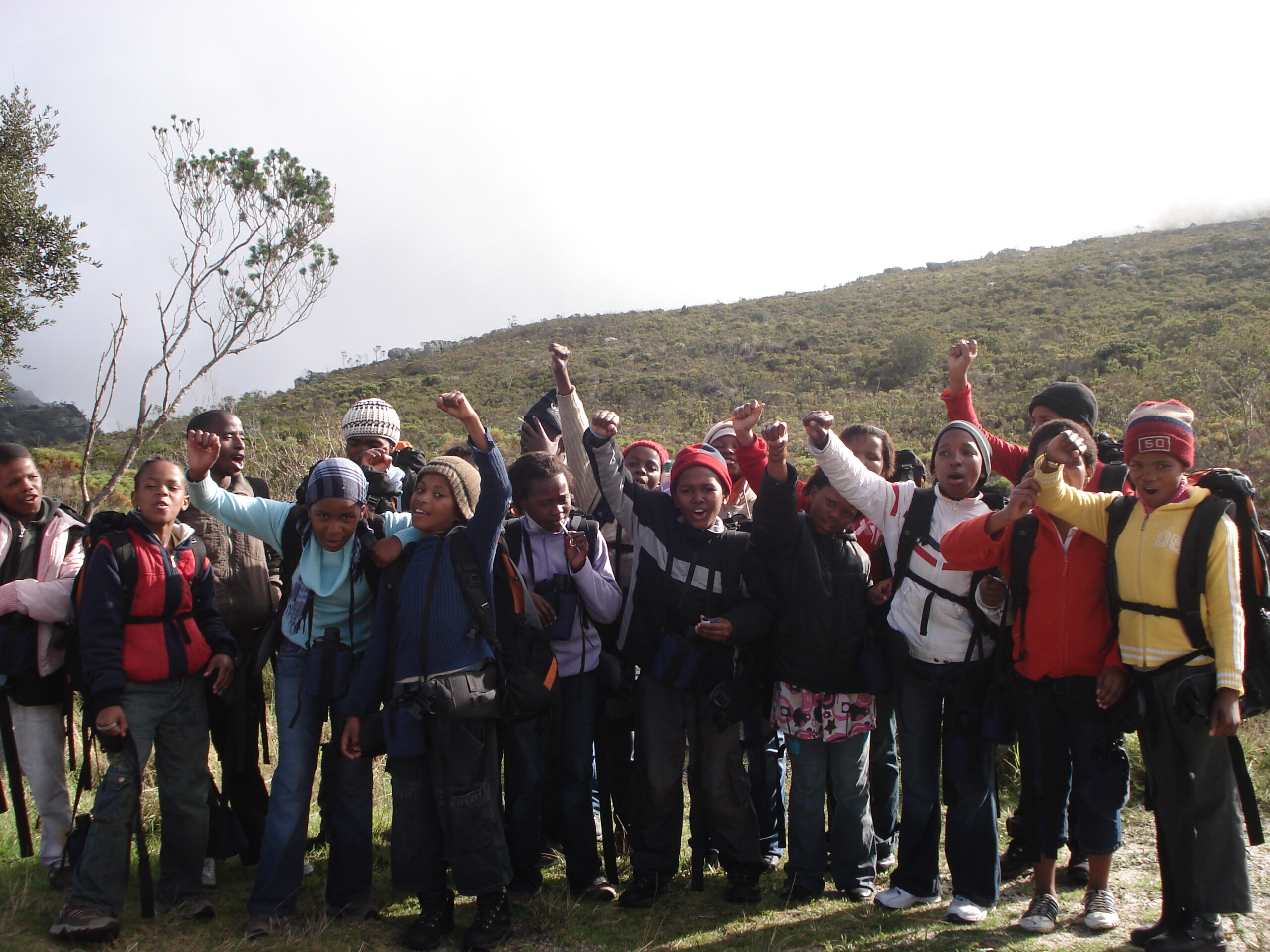
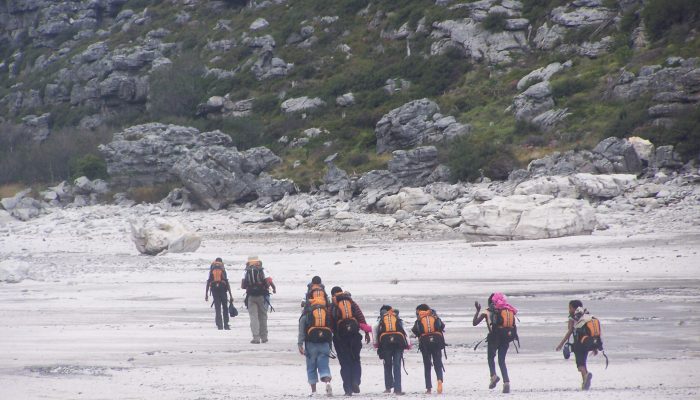
Lilifa Lethu Group, in partnership with the Beyond Expectation Environmental Project (BEEP), aims to bridge this gap by connecting young township residents with Table Mountain and the natural world, fostering hope, resilience, and personal growth through walking, hiking, and. hands-on ecological experiences.

beep tm hike 001

Personal Narratives of Transformation

Nonkanyiso Malase

Joined BEEP at the age of 12. Hiking Table Mountain, she initially struggled with frustration and physical exhaustion. Yet the mountain's beauty, tranquillity, and immersive natural environment helped her process emotional trauma, overcome despair, and develop a renewed sense of self. Today, she is an LLB graduate working in the private sector, crediting the mountain experience with saving her life and reshaping her perspective.

Also joined at 12. Growing up in a household marked by parental conflict, she carried emotional scars and helplessness. Hiking Table Mountain offered her peace, a chance to confront her past difficulties, and an opportunity to re-author her personal narrative. She now works as an industrial engineer, reflecting on nature as a space for healing, dignity restoration, and personal empowerment.

Noloyiso Masiza

hike 3

Discussion

The study highlights how embodied interactions with natural environments can facilitate healing, identity renewal, and well-being. Nature functions as both a catalyst and a container for transformation, offering participants a space to process trauma, envision new possibilities, and develop resilience. The mountain experience allows temporary removal from stressful township contexts, creating room for reflection, spiritual reconnection, and the reimagining of life beyond present constraints.
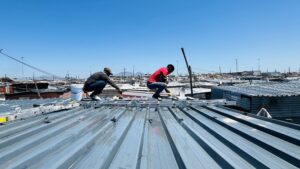
Under the Zinc Roof: Tackling Extreme Heat in Informal Settlements

Extreme Heat Project

Urban heat poses a growing challenge in informal settlements like Philippi and Driftsands, where densely packed homes, limited greenery, and heat-absorbing zinc roofs create dangerously high indoor temperatures. Residents face severe health risks, including heat stress, dehydration, rashes, swelling, sleep disruption, and reduced productivity. Poor Ventilation and inconsistent access to electricity exacerbate these challenges.


To tackle this challenge, Lilifa Lethu Group partnered with the Beyond Expectation Environmental Project (BEEP) to launch the Urban Heat Adaptation Project (UHAP), a community-led initiative focused on practical, low-cost climate solutions. The key
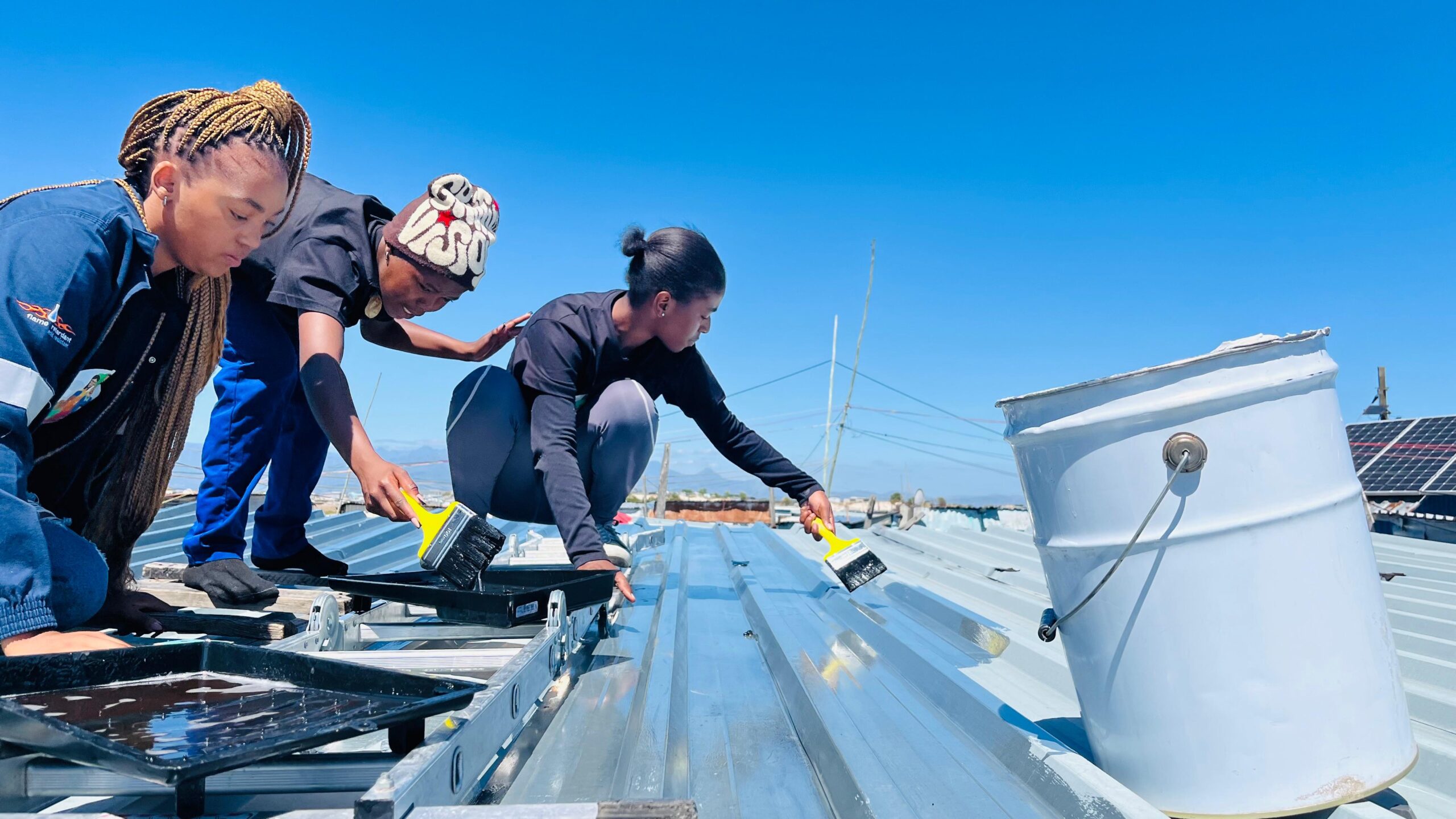
intervention applied reflective white paint to zinc roofs, reducing indoor temperatures, improving thermal comfort, and helping households adapt to extreme heat.

climate action 5

Methodology

Participatory Approach

Residents were consulted to co-create solutions relevant to their needs.

Data Monitoring

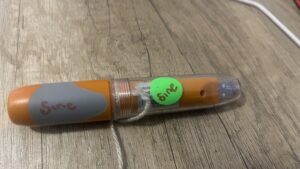
Elitech temperature loggers were placed in homes to measure indoor heat levels before and after intervention over a period of four summer months.

climate change 9

Youth Engagement

Young volunteers actively assisted in painting roofs, gaining hands-on experience in climate adaptation work.

climate action, 9

Data Monitoring

Elitech temperature loggers were placed in homes to measure indoor heat levels before and after intervention over a period of four summer months.

Findings:

The application of heat-reflective paint has yielded transformative results for residents in heat-vulnerable communities. Data shows that indoor temperatures in painted homes dropped by 2–3°C compared to unpainted control houses, providing a measurable reprieve from extreme heat. Beyond the statistics, this cooling effect has significantly improved daily life and household functionality; residents reported substantial relief, noting that children are now able to study and play indoors while adults can complete essential chores during the heat of the day. Ultimately, this intervention highlights how simple, low-cost solutions can effectively enhance the health, comfort, and overall well-being of those living in high-temperature environments.

Conclusion & Next Steps

The project successfully proved that reflective roof paint is a viable adaptation strategy for informal settlements. Community feedback sessions reinforced trust and collective ownership, while BEEP is now scaling the model to reach thousands more households.

This initiative highlights the power of community-led, evidence-based climate adaptation rooted in lived experiences rather than external prescriptions.

Join Our Journey